
Sales@mightools.com
+86-28-86736065
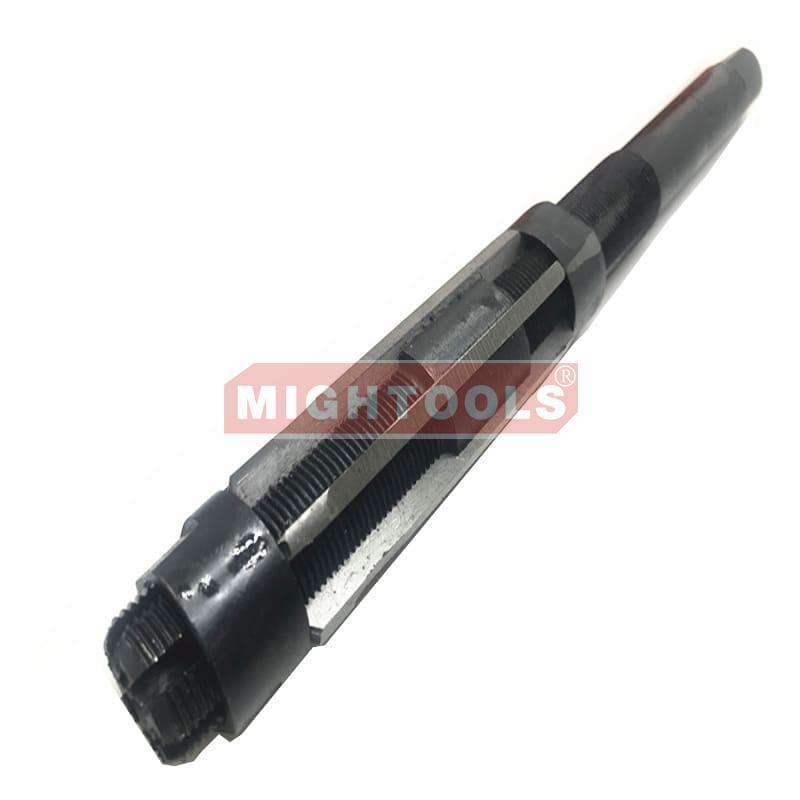
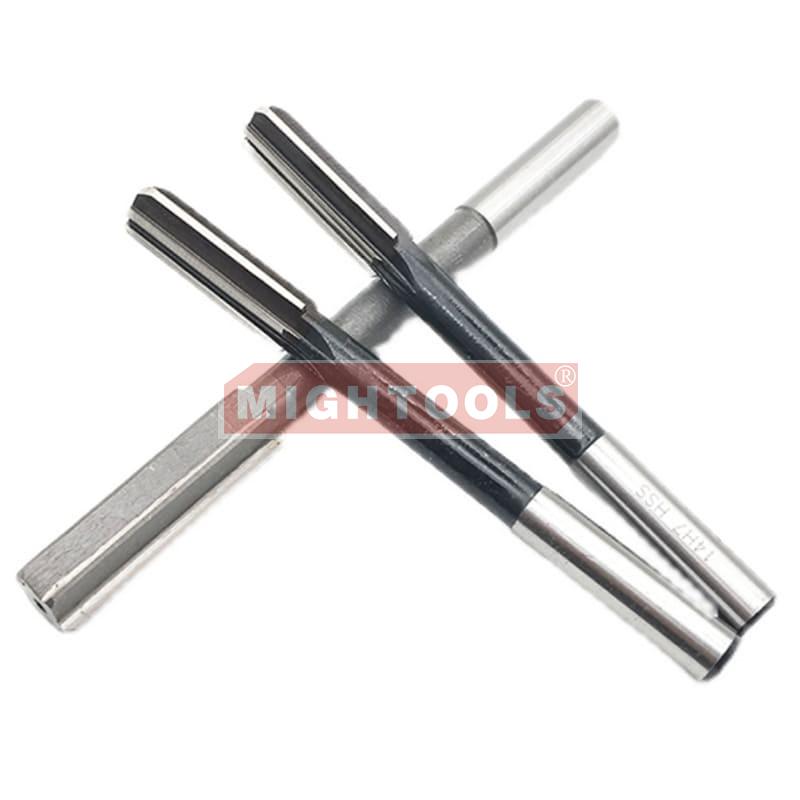
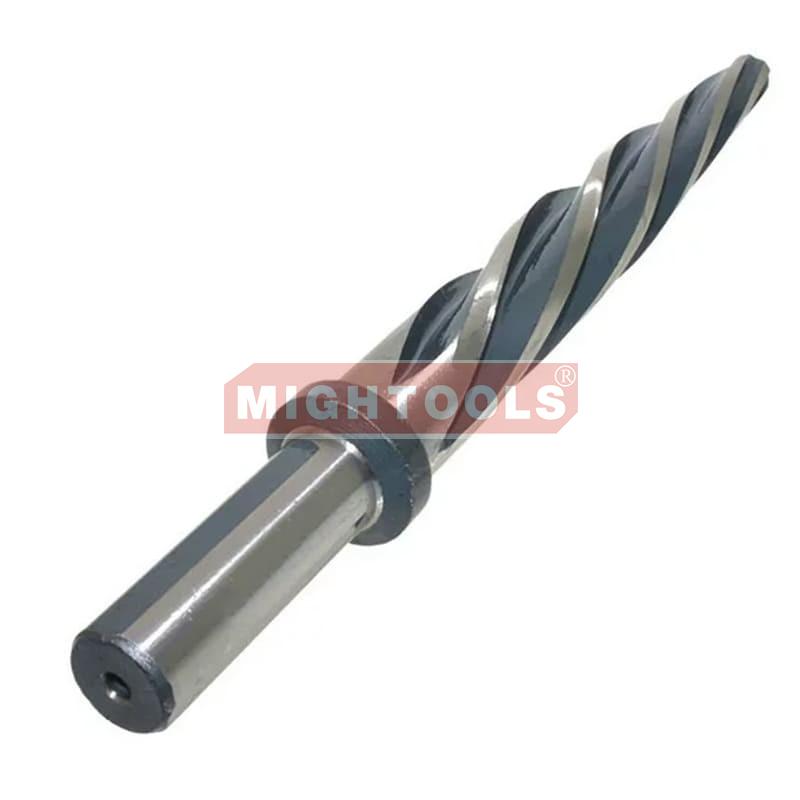
HSS Reamer
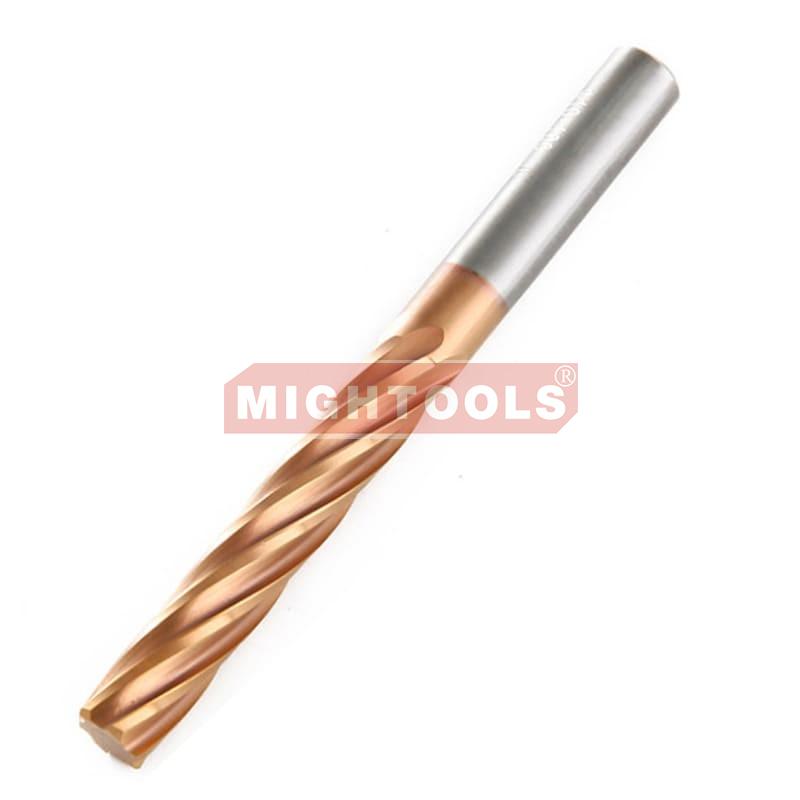
Carbide Reamer
Adjustable Reamer
Construction Reamer
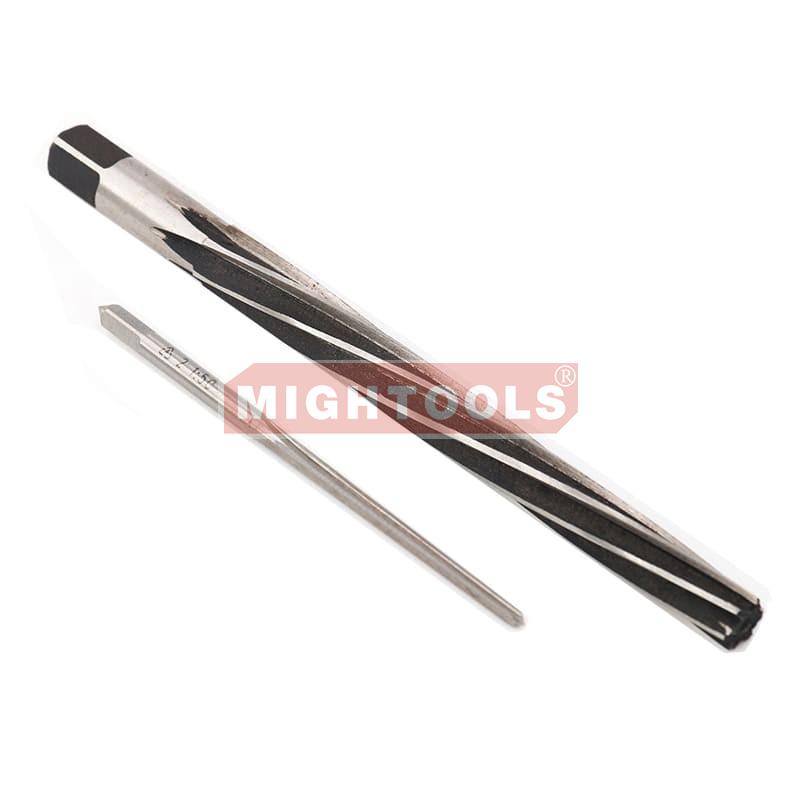
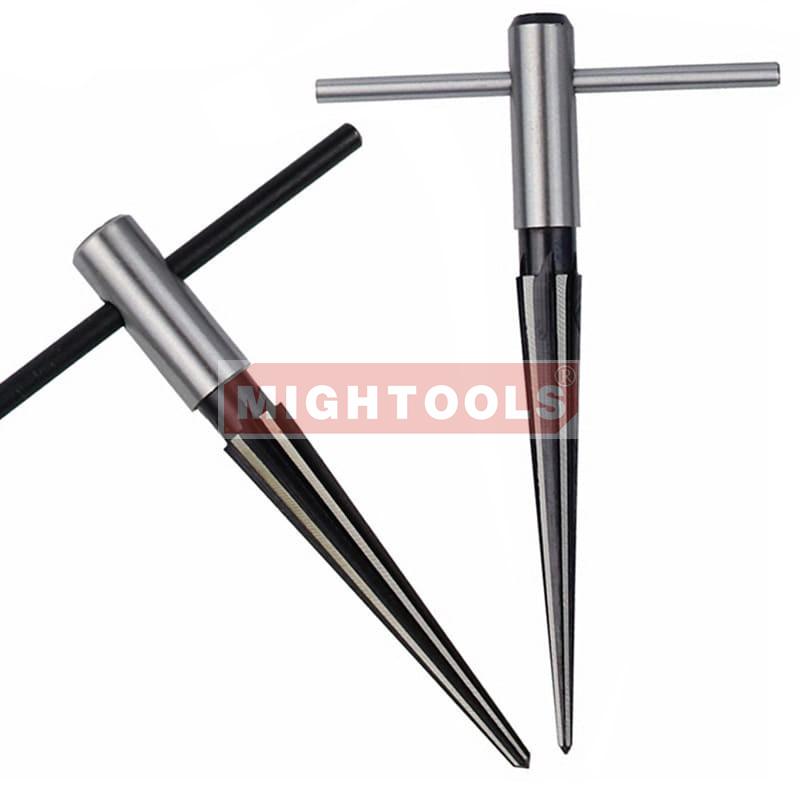
Taper Reamer
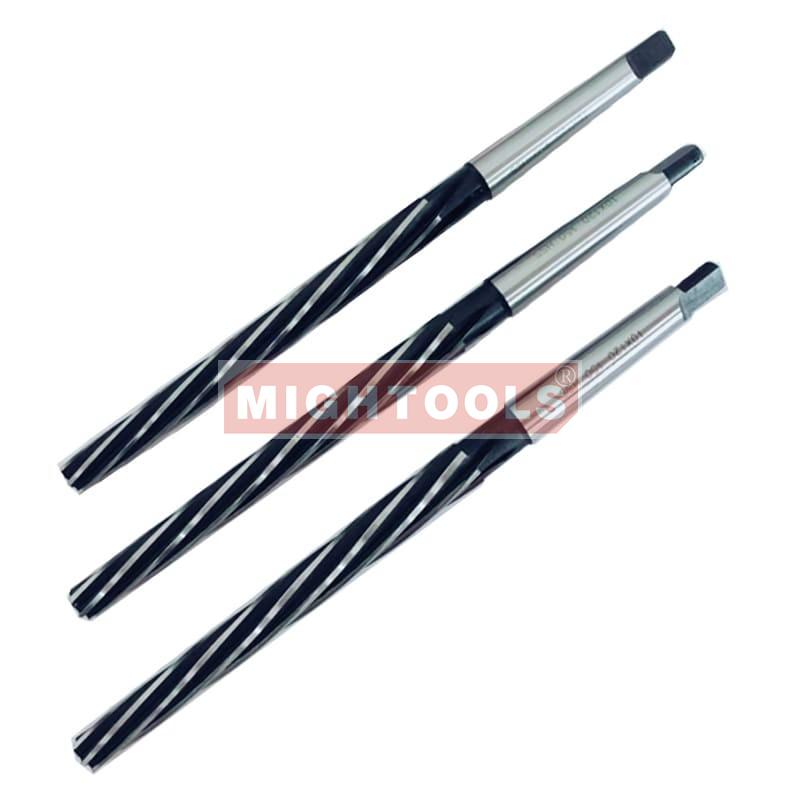
Taper Shank Reamer
Spiral-Flute Reamer
Straight-Flute Reamer
Machine Reamer
Reamers are generally classified based on several dimensions, including usage method, hole shape, structural design, mounting type, and material.
The common classification methods are summarized in the table below:
| Classification Dimension | Main Types | Brief Description |
|---|---|---|
| By Usage Method | Hand Reamer, Machine Reamer | Hand reamers are designed for manual operation and have a longer lead-in taper for easier alignment. Machine reamers are used on machine tools such as drilling machines and have a shorter lead-in taper. |
| By Hole Shape | Straight Reamer, Taper Reamer, Step Reamer | Straight reamers are the most common type. Taper reamers are used for taper holes (e.g., dowel pin holes) and include types such as 1:50 taper reamers and Morse taper reamers. Step reamers are used for stepped holes. |
| By Structural Design | Solid Reamer, Adjustable / Expansion Reamer | Solid reamers have a fixed structure. Adjustable reamers allow the diameter to be adjusted within a certain range to compensate for wear or accommodate different hole sizes, making them commonly used in repair and fitting work. |
| By Mounting Type | Shank Type (Straight Shank / Taper Shank), Shell Type | Smaller-diameter reamers usually have a straight or taper shank. Larger-diameter reamers (e.g., 25–80 mm) are often made as shell-type reamers, which are mounted on a separate arbor for use. |
| By Flute Direction | Straight-Flute Reamer, Spiral-Flute Reamer | Straight flutes are the most common. Spiral-flute reamers provide smoother Cutting and better chip evacuation. Specifically, right-hand spiral flutes are suitable for blind holes (chip evacuation toward the shank), while left-hand spiral flutes are suitable for through holes (chip evacuation forward). |
| By Blade Material | High-Speed Steel (HSS) Reamer, Carbide Reamer | HSS reamers offer good toughness and are widely used. Carbide reamers have higher hardness and wear resistance, making them suitable for high-speed cutting and machining hard materials. |
In addition to these mainstream classifications, reamers can also be further categorized by machining accuracy (e.g., roughing reamers and finishing reamers could reach H6/H7), number of cutting edges (single-edge and multi-edge), and other criteria.
If you need a deeper dive into any specific type (such as the detailed differences between machine and hand reamers) or guidance on selection for particular applications, feel free to let me know.
Contact: Luoxu
Phone: +86-13438285256
E-mail: Sales@mightools.com
Whatsapp:+86-13438285256
Add: 7F,No.2,Tongfu Alley,Xiyulong ST.,Chengdu 610015,China
We chat
