
Sales@mightools.com
+86-28-86736065
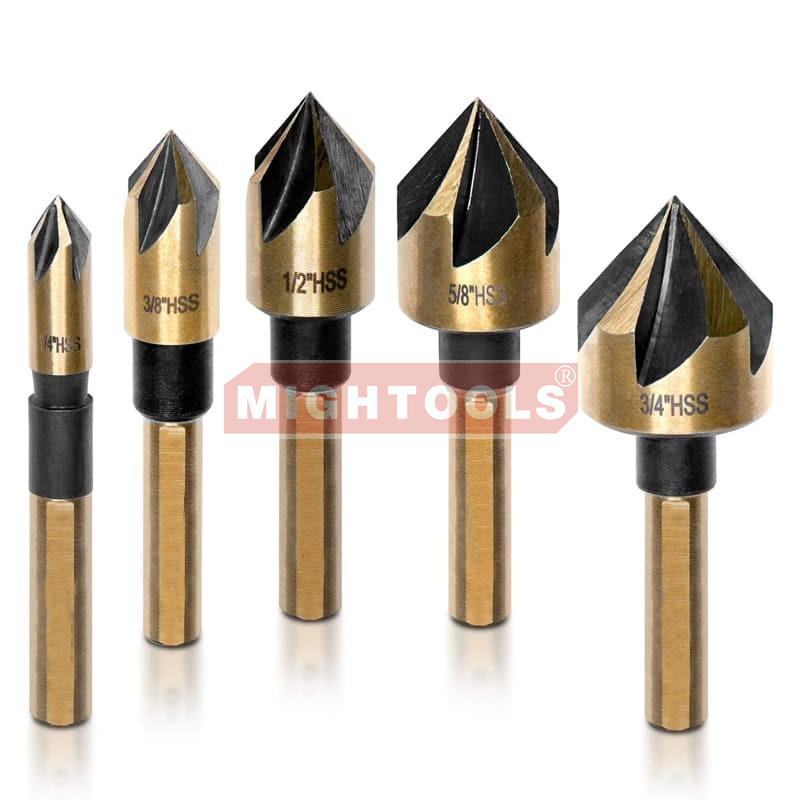
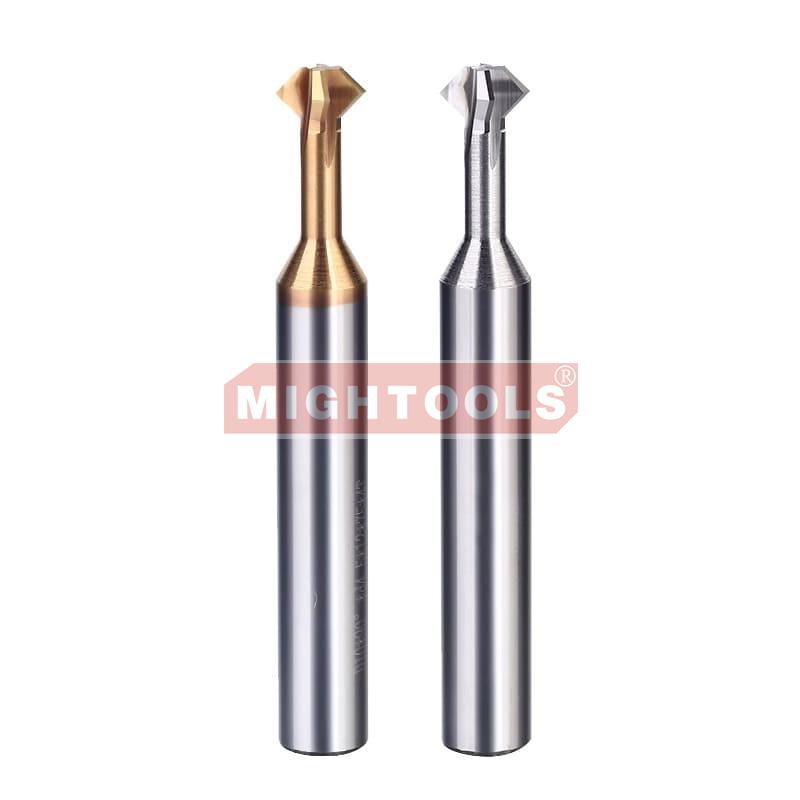
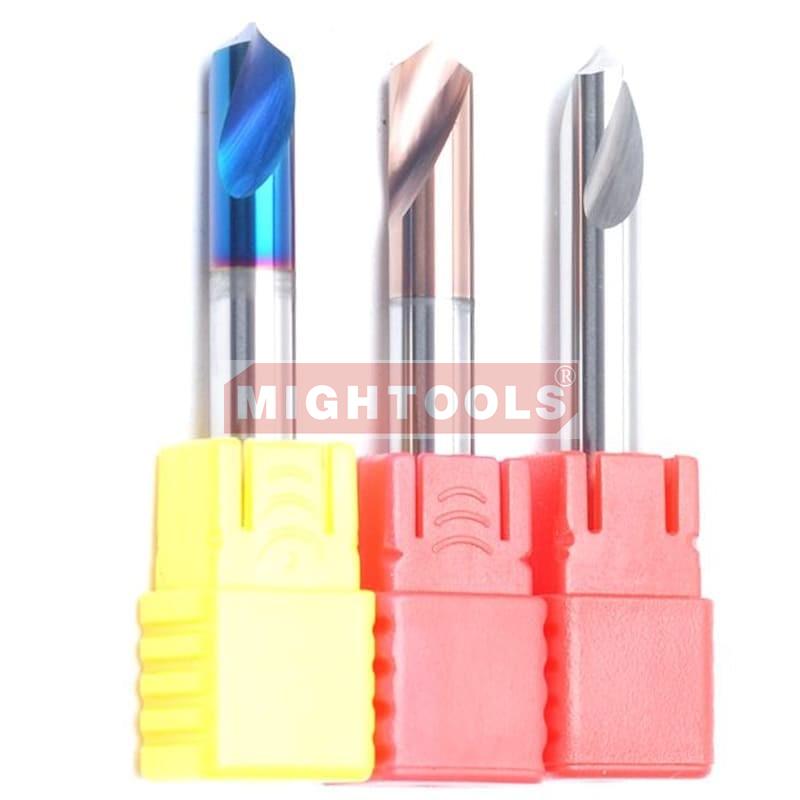
Countersinks
Countersinks
The main function of a chamfering cutter is to chamfer metal or other materials.
By using a chamfering cutter, it is possible to chamfer the edges of holes or the ends of workpieces to meet specific machining requirements ,
it has variety of angles and sizes, with common angles including 45 degrees, 60 degrees, 90 degrees, 100 degrees, 110 degrees and 120 degrees.
Chamfering cutters are used to machine the edges of a variety of materials to improve the aesthetics and durability of the workpiece.
For example, 45-degree chamfering cutters are suitable for machining the edges of a variety of materials, while 60-degree chamfering cutters are suitable for machining harder materials, such as steel.
Usually it could be used for wooden planks,fiberboard,particle board,plywood,plastic,alumiumn board ,pcb board and more
In addition, chamfering cutters are available in a variety of sizes, including triple-edged, single-edged, multiple-edged, and beveled-hole types to meet different machining needs.
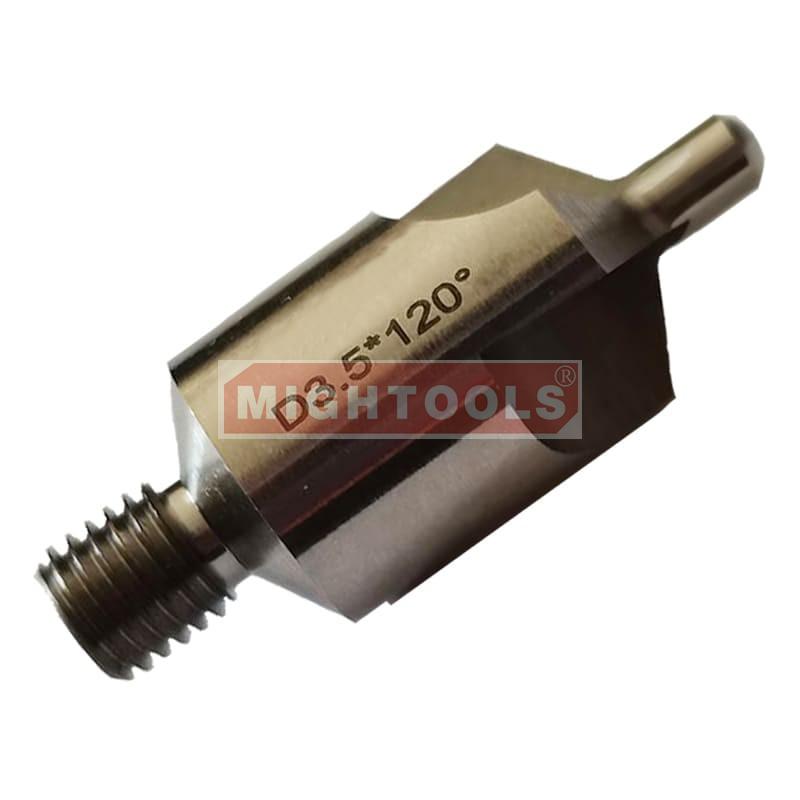
Special-Threaded Shank Stop Countersinks
Used in all popular adjustable-stop or micro-stop countersink units using a threaded shank drive 1/4-28 threaded shank, overall length 1-1/4"
Classification and Uses of Countersinks
| Type | Characteristics and Uses |
|---|---|
| tapered Countersink | The most common type. Used to create tapered countersunk holes, allowing the heads of countersunk screws/rivets to sit flush with or below the workpiece surface. Common angles include 60°, 82°, 90°, 100°, 120°, etc., with 82° (for US inch screws) and 90° (for ISO metric screws) being the most frequently used. |
| Counterbore | Used to create cylindrical counterbores to accommodate fasteners with cylindrical heads, such as socket-head cap screws and nuts. |
| Spotface | Used to spot-face (flatten) the surface around a hole, providing a smooth, flat bearing surface for washers or bolt heads, ensuring the surface is perpendicular to the hole's centerline. |
| Cross-hole / Zero Flute Countersink | Also known as "zero-flute countersinks." Cutting edges are formed by holes through the tapered body. Best suited for deburring; can also be used for countersinking in soft materials like wood and plastic. |
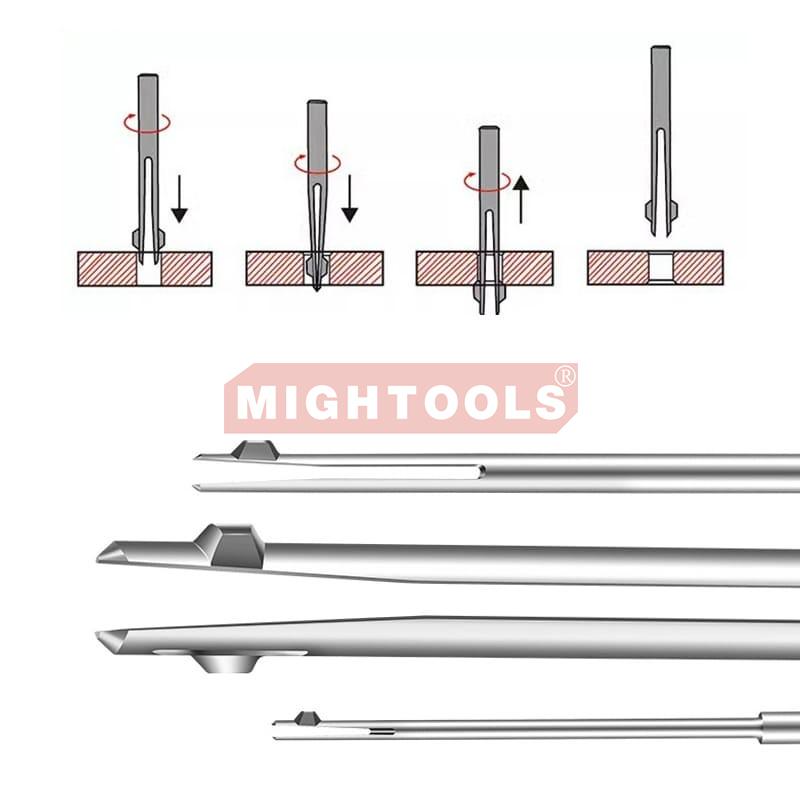
| Back Countersink | Features a split design (shank + cutting blade). Used to create countersinks or chamfers on the backside of workpieces or in hard-to-reach areas, avoiding the need to reposition the workpiece. |
When selecting a countersink, the number of flutes directly affects cutting efficiency and surface finish.
| Type | Performance Characteristics |
|---|---|
| Single Flute | Large positive rake angle, excellent surface finish, superior self-centering ability. |
| 3 & 4 Flute | Best chip evacuation performance, suitable for plastics and non-ferrous metals like aluminum and copper. |
| 6 Flute | Balanced cutting load distribution, longer tool life, allows for maximum feed rates. |
Installing Fasteners: Creates smooth tapered or cylindrical seats for countersunk screw and rivet heads, ensuring they do not protrude above the workpiece surface. This is especially critical in the aerospace industry, where the 100° countersink angle is commonly used to ensure fasteners can withstand significant aerodynamic loads.
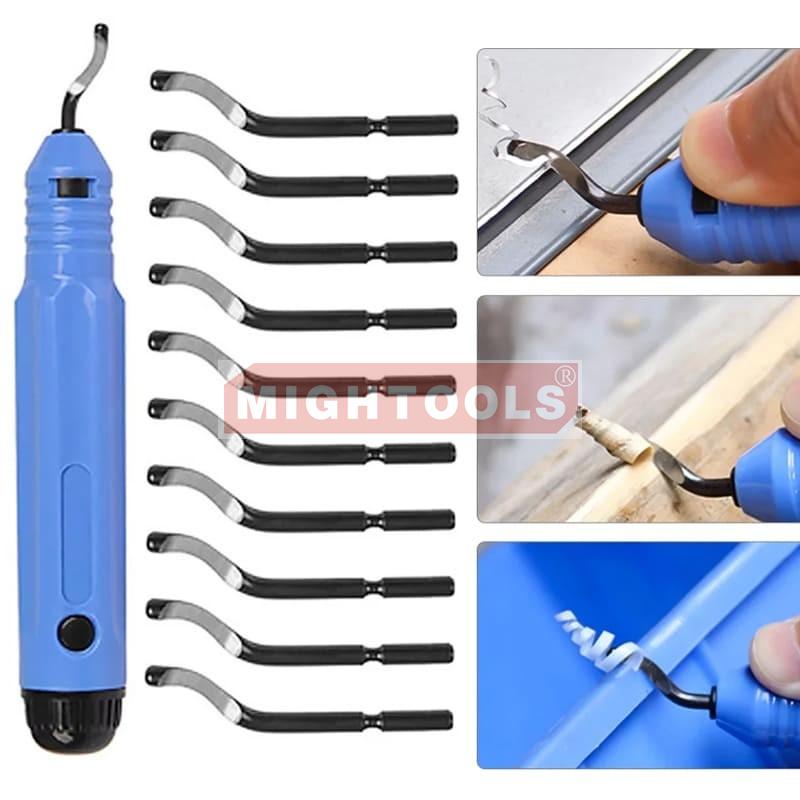
Deburring and Chamfering: Removes sharp burrs left after drilling or tapping, resulting in smooth, safe edges.
Guiding Subsequent Operations: Provides a pilot or guide for downstream processes like tapping.
Special Applications: In sheet metal work, "forming countersinks" can be used to create dimples (dimpling), increasing structural strength or even allowing for direct tapping. In the medical field, they are used to ream holes in bone to accommodate bone screw heads.
Common Materials: For general-purpose machining, High-Speed Steel (HSS) is suitable. For harder materials like stainless steel, Cobalt-bearing HSS or Solid Carbide countersinks are recommended.
Contact: Luoxu
Phone: +86-13438285256
E-mail: Sales@mightools.com
Whatsapp:+86-13438285256
Add: 7F,No.2,Tongfu Alley,Xiyulong ST.,Chengdu 610015,China
We chat
