
Sales@mightools.com
+86-28-86736065
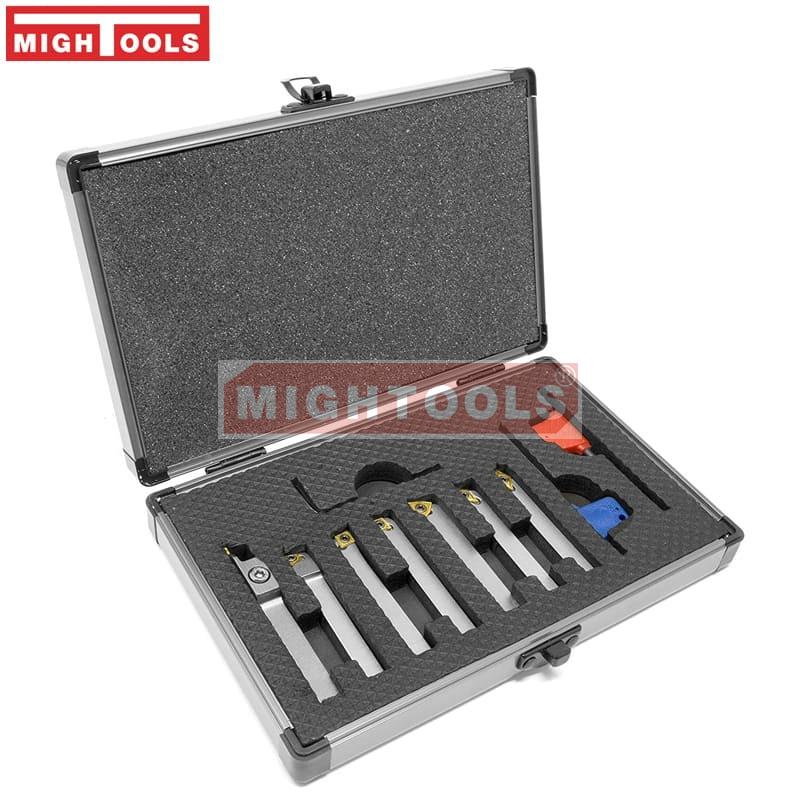
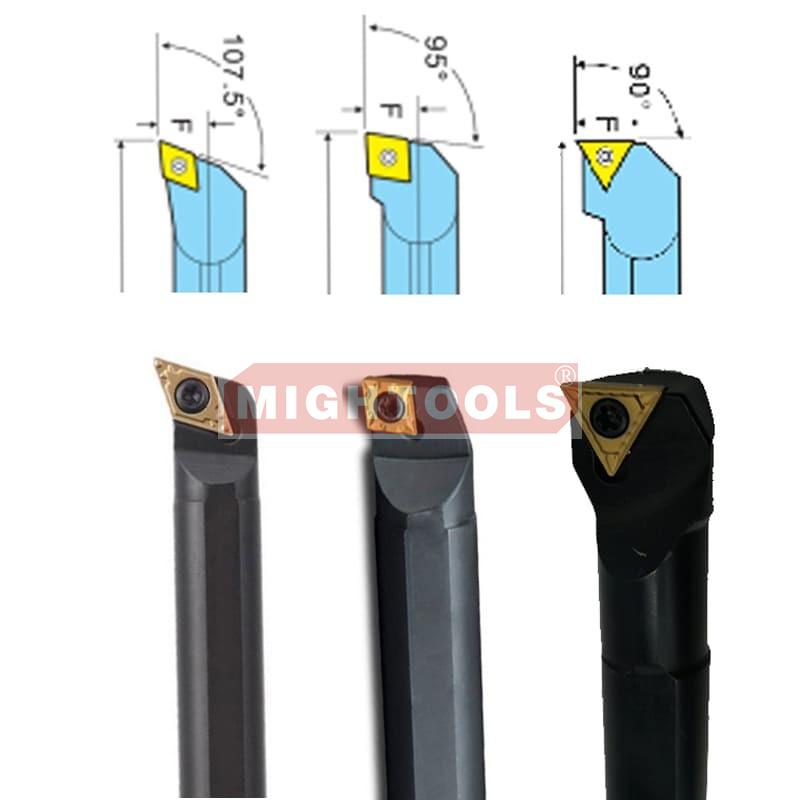
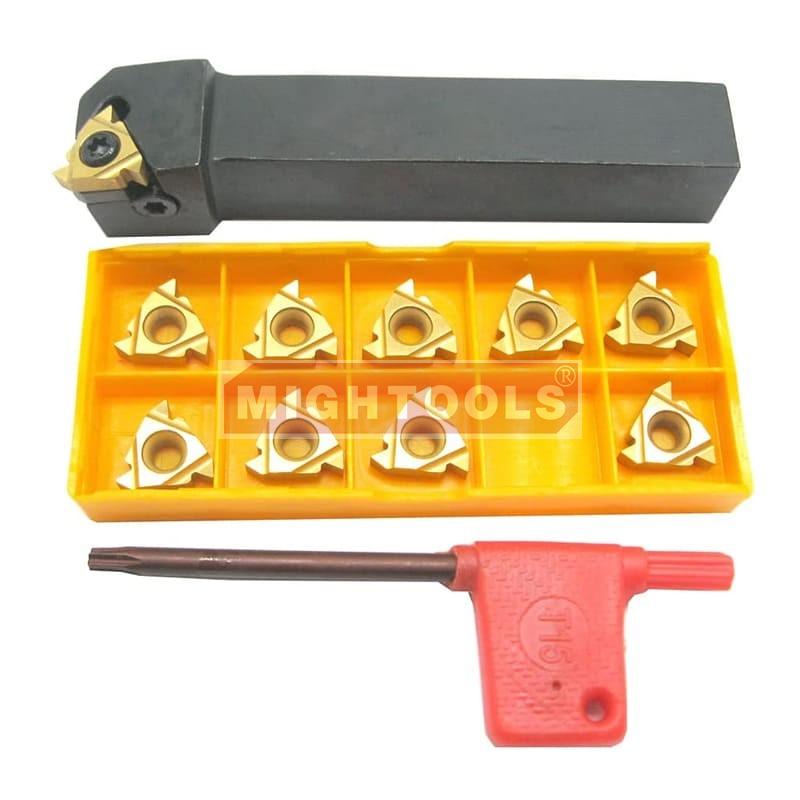
External Turning Tool
Boring Bar
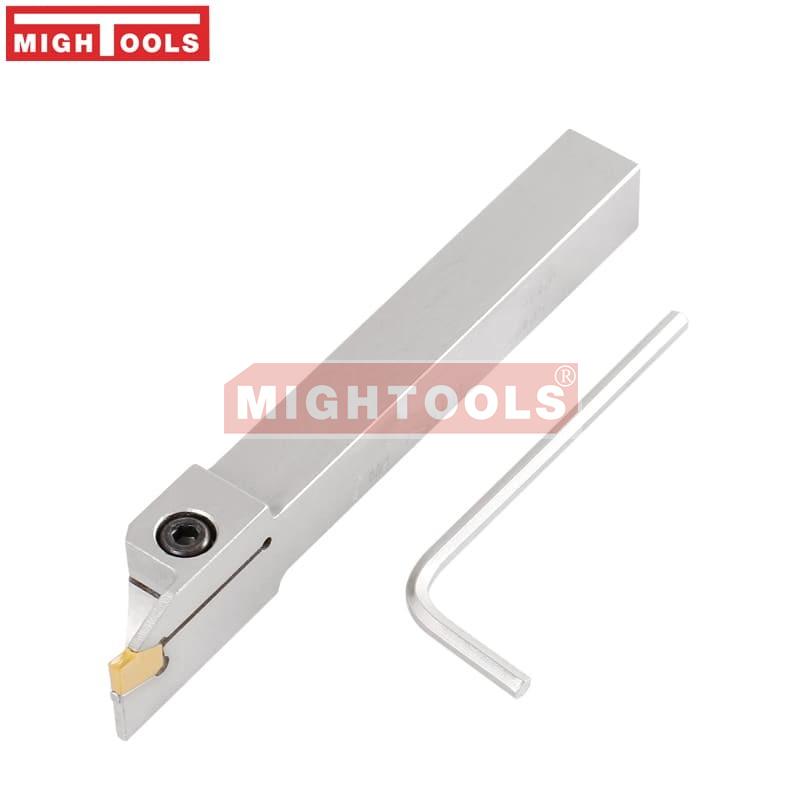
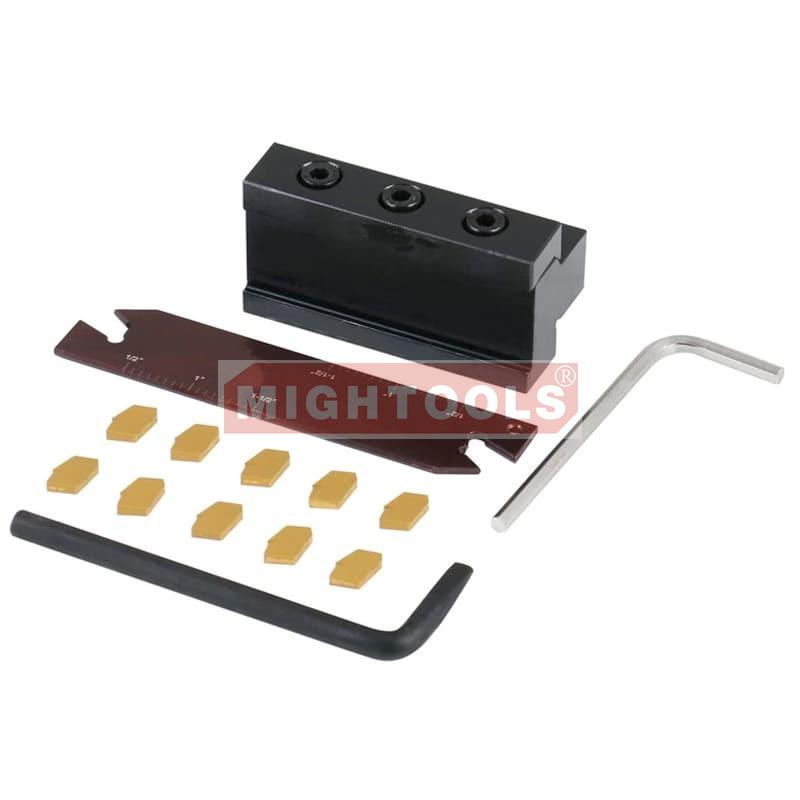
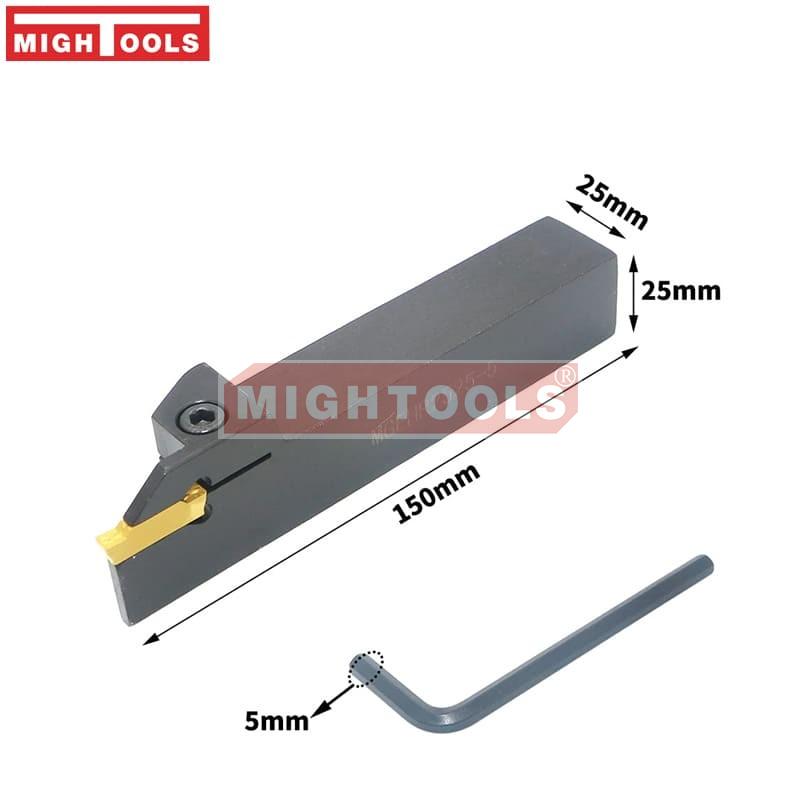
Grooving and Cut-off Tool
Threading Tool
Advantages over Carbide brazed tools:
① Avoid the disadvantage of cracks that tend to occur when brazing carbide;
② Indexable inserts are suitable for depositing thin layers of harder materials (titanium carbide, titanium nitride, and alumina) on the surface of carbide inserts by vapor deposition to improve Cutting performance;
③ Shorter tool change time;
④ Because indexable inserts are standardized and centrally produced, the insert geometry parameters are easy to be consistent, and chip control is stable..
Indexable tools have a wide range of applications, including a variety of turning tools, boring tools, milling cutters, external surface broaches, large-diameter deep hole drilling and nesting drills.
Indexable turning tools can be classified from several perspectives:
This is the most intuitive classification, directly corresponding to different turning operations.
External Turning Tool: Used for machining external cylindrical surfaces or external faces. It is the most common type.
Internal Turning Tool (Boring Bar/Tool): Used for machining internal holes. Sometimes, an external tool can be mounted at an angle to serve as a boring bar for large-diameter rough boring.
Grooving and Cut-off Tool: Specifically designed for cutting grooves or ultimately parting off the workpiece.
Threading Tool: Used for cutting internal and external threads.
This is the core classification, as it determines the clamping rigidity and positioning accuracy of the tool. Based on the insert clamping method, there are several typical structures:
| Clamping Method | Operating Principle and Characteristics | Applicable Occasions |
|---|---|---|
| Lever (or Cam-Pin) Type | Uses the lever principle to clamp the insert, offering high positioning accuracy, secure clamping, and favorable force distribution. However, manufacturing is complex and costly. | Mass production by specialized tool manufacturers; suitable for various operations, especially those requiring high precision and reliability. |
| Eccentric (or Pin) Type | Simple structure and easy operation, relying on screw self-locking. However, positioning accuracy is average, and anti-loosening capability is weaker; the insert may loosen under impact cutting forces. | Suitable for continuous, stable cutting; not recommended for heavy cuts or interrupted cuts with impact. |
| Wedge Type | Uses a wedge with an inclined plane to simultaneously clamp and position the insert. Simple to operate but offers low positioning accuracy; the clamping force direction may oppose the cutting force. | Suitable for roughing operations where positioning accuracy is less critical. |
| Top Clamp (or Clamp-on) Type | Uses a clamp plate to apply clamping force from above the insert. Simple structure and reliable clamping. This is a widely used form in production. | Broad application, especially suitable for flat inserts. |
Contact: Luoxu
Phone: +86-13438285256
E-mail: Sales@mightools.com
Whatsapp:+86-13438285256
Add: 7F,No.2,Tongfu Alley,Xiyulong ST.,Chengdu 610015,China
We chat
