
Sales@mightools.com
+86-28-86736065
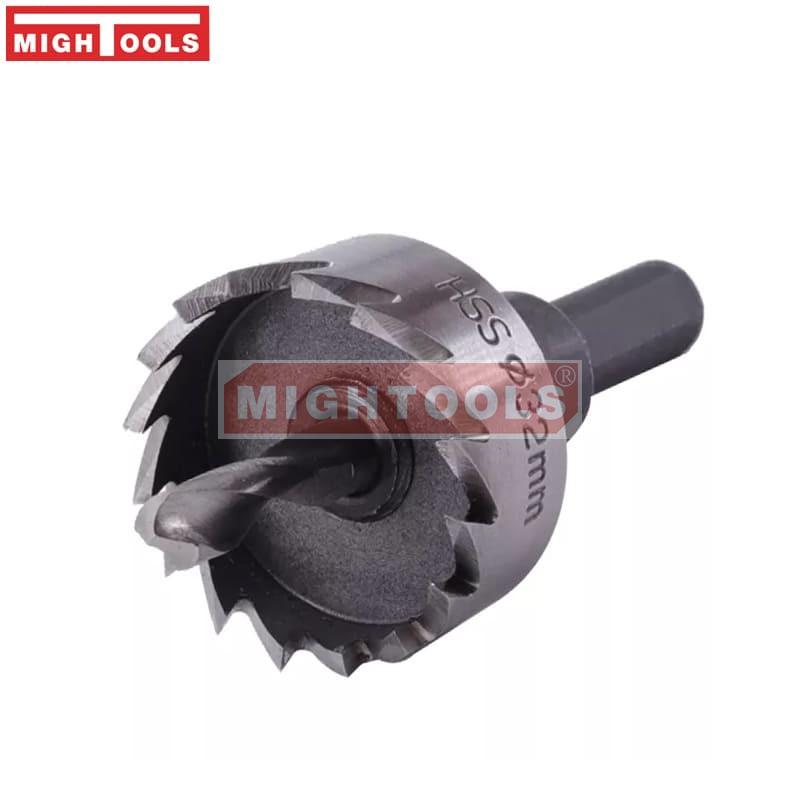
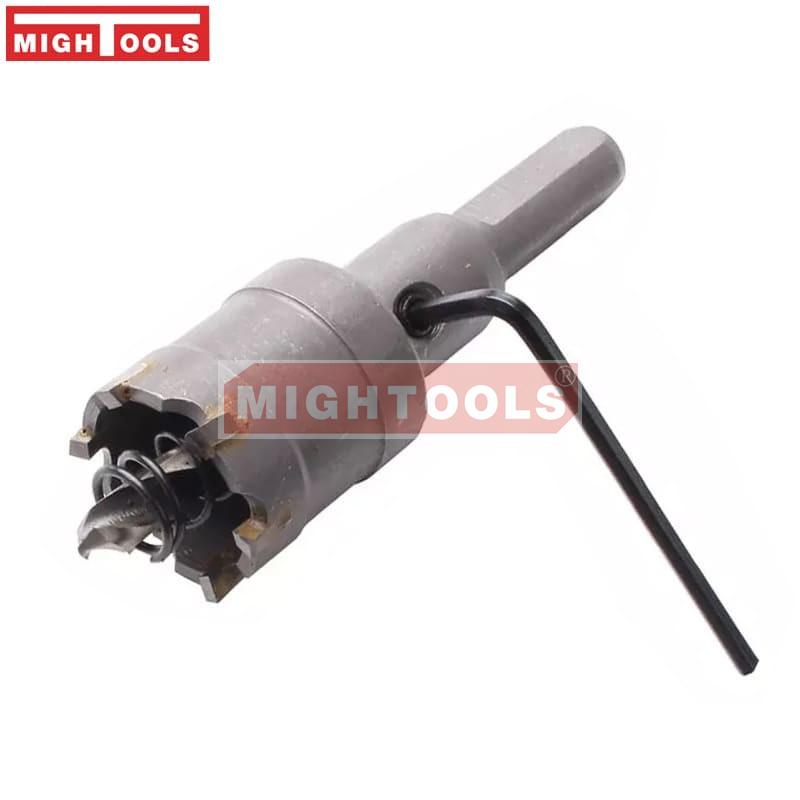
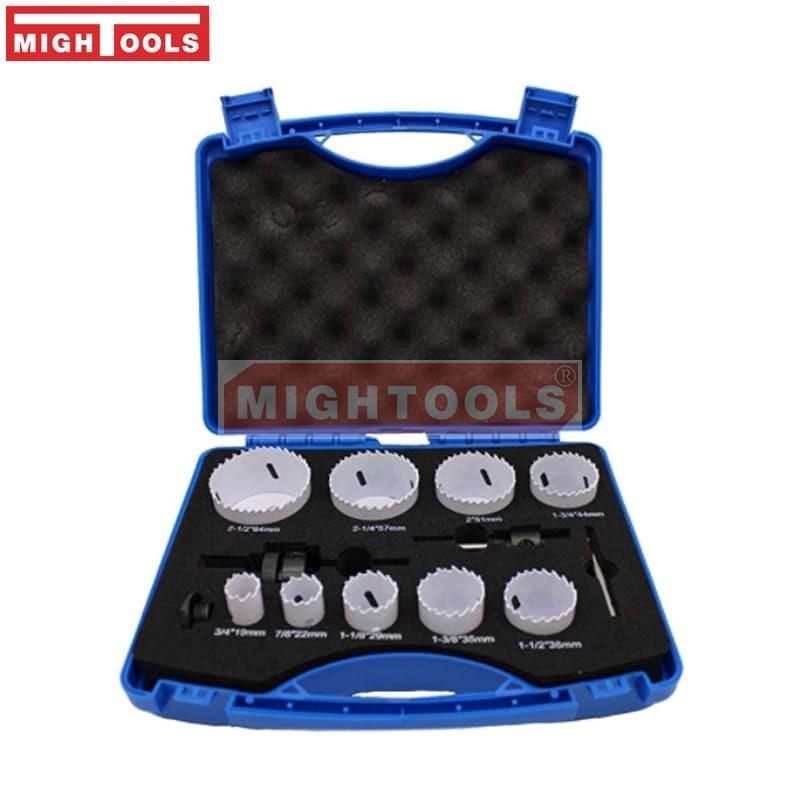
HSS TCT Hole Saw
Differences Between Bi-Metal, TCT, and HSS Hole Saws
The core difference among these three types of hole saws lies in their tooth material. This material difference determines their respective performance in terms of hardness, toughness, and durability, which naturally leads to distinct application scenarios.
The core differences are summarized in the table below for quick comparison:
| Aspect | Bi-Metal Hole Saw | TCT (Carbide-Tipped) Hole Saw | HSS Hole Saw |
|---|---|---|---|
| Core Material | Teeth made of cobalt-bearing HSS (e.g., M42) for good toughness; body made of spring steel for resistance to breakage. | Teeth made of tungsten carbide / cemented carbide (TCT), offering extremely high hardness and wear resistance. | Entirely made of HSS (e.g., M2), with uniform material and excellent toughness. |
| Key Performance | Excellent toughness, impact-resistant, not prone to tooth chipping; an ideal "all-rounder." | Extremely long tool life – approximately 10 times that of bi-metal hole saws; good heat resistance, suitable for high-speed Cutting. | Good toughness and lowest cost; however, hardness and heat resistance are relatively lower, leading to faster wear. |
| Main Advantages | Good balance: combines the sharpness of HSS with the toughness of spring steel – robust and durable. | Extremely durable and efficient: performs exceptionally well on hard and abrasive materials, significantly reducing tool change frequency. | High cost-effectiveness: ideal for applications with limited budgets, low usage frequency, or machining of soft materials. |
| Main Disadvantages | Tool life and cutting speed are inferior to TCT hole saws; wears relatively faster on particularly hard materials. | Carbide teeth are brittle and prone to chipping if used improperly; relatively expensive. | Short tool life and low efficiency on hard materials and stainless steel, requiring frequent replacements. |
| Applicable Scenarios | The most versatile choice. Suitable for wood, plastics, mild steel, non-ferrous metals, as well as stainless steel and many other materials. | Professional-grade for tough materials. Specifically designed for stainless steel, cast iron, alloy steel, etc., and also suitable for ceramic tiles, fiber cement boards, etc. | The economical, basic option. Suitable for machining soft materials such as wood, plastics, aluminum, copper, or thin steel sheets. |
Contact: Luoxu
Phone: +86-13438285256
E-mail: Sales@mightools.com
Whatsapp:+86-13438285256
Add: 7F,No.2,Tongfu Alley,Xiyulong ST.,Chengdu 610015,China
We chat
